Focused arrival windows
Useful updates and clear arrival timing.
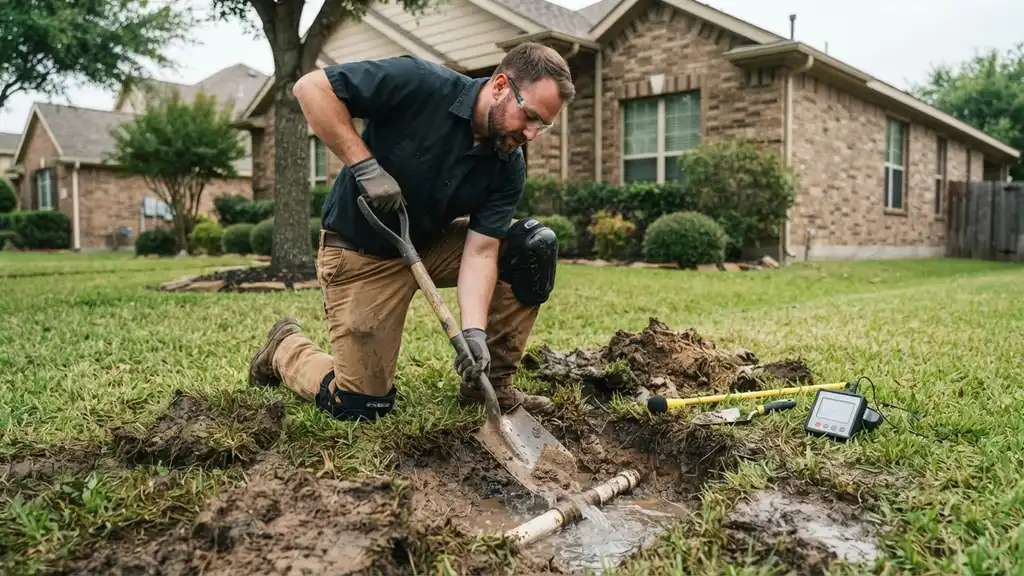
When your toilet keeps running or water pools at the base, toilet leak repair Greenville NC homeowners trust starts with finding the real source. We handle toilet leak detection Greenville NC for homes across Pitt County, from 27834 to 27858, using acoustic microphones and dye testing to pinpoint silent leaks. Same-day service, upfront pricing, and a floor left dry.
Useful updates and clear arrival timing.
Review the approach and price before deciding.
Equipped vehicles and respectful cleanup.
Neighbors serving neighbors with follow-through.
Every toilet leak repair visit covers diagnosis, the repair itself, and a full function test. We tell you upfront if the job needs a part we do not stock or if the leak is actually coming from somewhere else in the system.
We inspect the tank, bowl, base, supply line, and shut-off valve, then confirm the source with dye testing or a moisture meter. You see the failed part and hear the cause before we quote anything.
Worn flappers and sticky fill valves are the top cause of running toilets. We install EPA WaterSense partner replacements, adjust the water level, and confirm the tank shuts off cleanly on every cycle.
When water pools at the base, we pull the toilet, inspect the flange, and install a new wax ring and closet bolts. We reseal the base and check the subfloor for moisture before resetting the fixture.
We tighten or replace the supply line, add new Teflon tape and pipe sealant, and test the shut-off valve. If the valve is seized or weeping, we replace it so you can actually shut the water off in an emergency.
Before we leave, we run three flush cycles, dry-check the base, and watch the tank for any refill hiss. You get a written summary of what failed and what we replaced, plus a 30-day labor guarantee.
Share what is happening and receive a clear next step from the local team.
Toilet leak repair Greenville NC is a plumbing service that stops water escaping from the tank, bowl, base, or supply line before it damages floors and inflates your bill. We pull the tank, inspect the flapper, fill valve, wax ring, and closet bolts, then pressure-test the supply. A running toilet can waste 200 gallons a day, so we treat every drip as urgent. Most repairs take 45 to 90 minutes once we confirm the source.
Greenville homes deal with hard water and older cast-iron and PVC drain lines, and both wear on toilet seals. A silent leak behind the base often shows up as a ceiling water stain on the floor below or a jump in your water bill. If you have been searching for toilet leak detection near me Greenville, our technicians carry dye tabs and moisture meters to confirm the leak before we quote the fix.
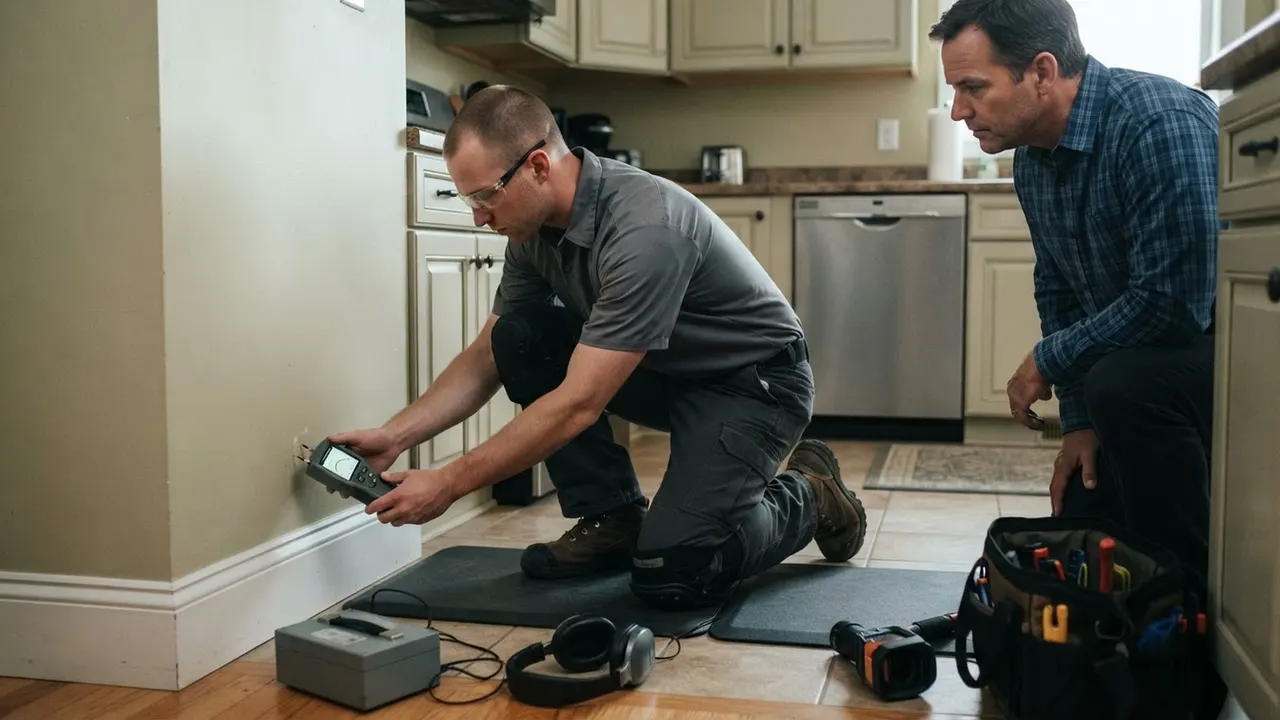
We ask three questions: is the toilet running, is water pooling at the base, and how old is the fixture. That tells us whether to bring a wax ring, a fill valve, or a full rebuild kit. You get a window and a ballpark price on the call, usually within five minutes.
The technician starts with a visual check, then drops leak detection dye in the tank and watches the bowl for 10 minutes. If the source is unclear, we use an acoustic leak detection microphone or a moisture meter on the floor and the ceiling below to confirm where the water is actually going.
We show you the failed part, explain what caused it, and give you a flat price before touching a wrench. If the leak is a slab leak or an underground water line leak feeding the bathroom, we tell you that on the spot and quote the right service instead of a toilet repair.
Most repairs take 45 to 90 minutes. We shut the supply, pull the tank or the whole bowl, replace the flapper, fill valve, wax ring, or closet bolts as needed, and reseat the fixture with new Teflon tape and pipe sealant on the supply threads.
We run three full flush cycles, check the base with a dry paper towel, and confirm the tank stops filling. You get a written summary of what failed and what we replaced. If anything weeps in the next 30 days, we come back at no charge.
Picks up the sound of water escaping behind walls or under floors when the leak is not visible at the fixture. We use it to confirm whether a toilet leak is actually a supply line or slab issue.
Reads moisture content in subfloor, drywall, and framing so we know how far water has traveled from the toilet base. It tells us whether the floor needs drying before we reset the fixture.
Dropped in the tank to confirm a flapper leak in 15 minutes. If dye shows in the bowl without a flush, the flapper is passing water and needs replacement.
Checks supply line pressure after a repair to confirm there is no hidden leak feeding the toilet. It also helps rule out a water line leak behind the wall.
Reveals temperature differences behind walls and under floors that point to hidden moisture. We use it when a toilet leak is suspected but the base and tank look dry.
Our technicians carry RIDGID wrenches, Milwaukee drivers, and Klein Tools meters on every truck. The right tool means fewer stripped fittings and a cleaner repair.
We place dye in the tank, wait 15 minutes without flushing, and check the bowl for color. This confirms or rules out a flapper leak before we quote any parts. It is fast, cheap, and accurate.
When water appears at the base, we pull the toilet, inspect the flange, and reset it with a new wax ring and closet bolts. We follow NC plumbing code on flange height and seal placement so the repair holds.
After any supply line repair, we pressure-test the line and run three flush cycles. If pressure drops, there is another leak we have not found yet, and we keep looking before we call the job done.
We take moisture meter readings at the base, on the surrounding floor, and on the ceiling below. The readings tell us how far the water spread and whether drying or drywall repair is needed after the toilet repair.
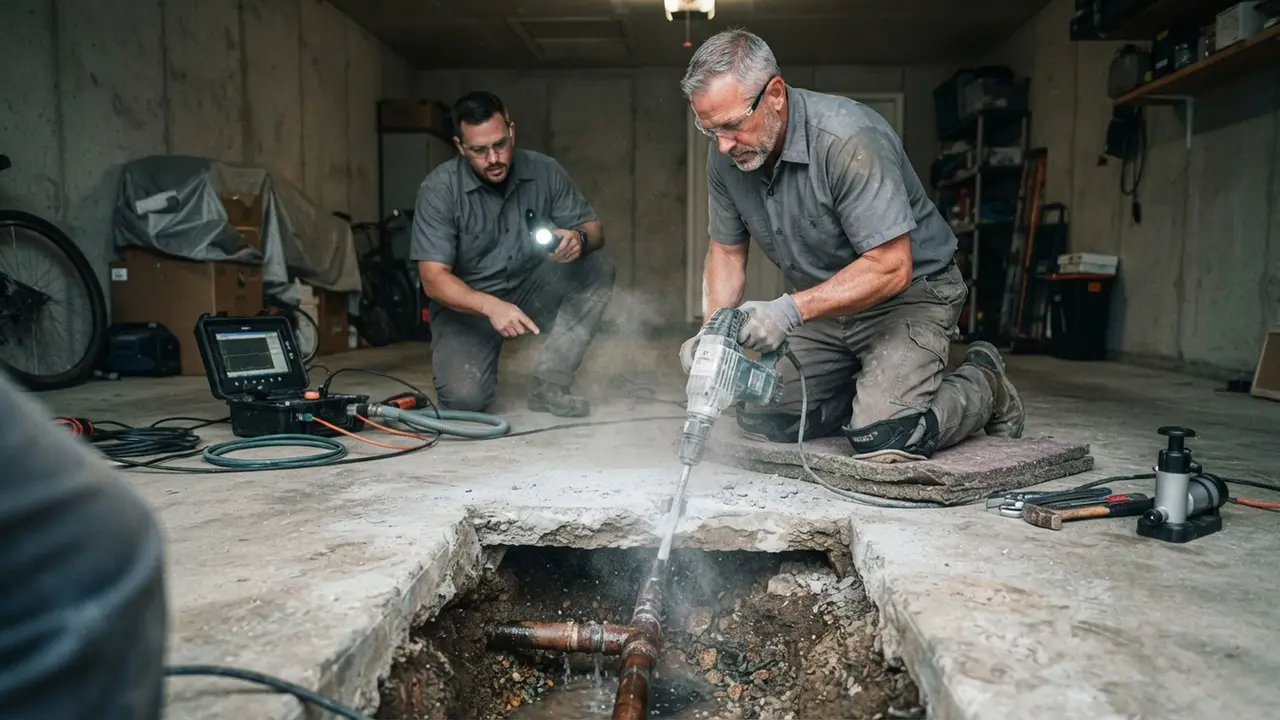
That is a classic flapper failure. We come out, confirm with a dye test, replace the flapper and fill valve, and check the supply line while we are there. Most calls like this finish in under an hour. The toilet stops running, the bill drops back to normal, and you stop hearing phantom refills at night.
We pull the toilet, inspect the flange and subfloor, and install a new wax ring and closet bolts. If the flange is cracked, we repair it before resetting the fixture with new hardware. The base stays dry, the smell clears, and the floor below is protected from further water damage.
We treat it as urgent, dispatch the same day, and confirm whether the source is the toilet, the supply line, or a drain. We repair the toilet leak and send you photos and a written summary for your records. The tenant has a working bathroom, the ceiling stops getting wet, and you have documentation for the property file.
We run a full-property leak survey, starting with dye tests on every toilet and moving to the supply lines and irrigation. If the toilet checks out, we use acoustic and thermal gear to find the real source. You get a confirmed diagnosis and a repair plan instead of guessing which fixture to replace.
Greenville's mix of older homes near downtown and newer builds out toward Winterville means we see two very different toilet leak patterns. In older houses, cast-iron drains and original flanges fail first, and hard water eats through flappers in 18 to 24 months. In newer homes, the issue is usually a loose supply line or a fill valve that was never adjusted. Our trucks carry parts for both. We also deal with winter freezes that crack supply lines and send water to the nearest bathroom, so we keep 24/7 toilet leak repair Greenville NC coverage through January and February. If you need toilet leak detection near me Greenville and want it handled today, call and we will give you a real arrival window, not a four-hour block.
Rental density is high here, and running toilets are the number one maintenance call. We work with landlords to fix leaks fast and document repairs for tenant records.
Newer construction with PEX supply lines. Most leaks here are loose fittings or failed fill valves, and we usually finish in a single visit.
A mix of 1990s and 2000s homes where original flappers and wax rings are now failing. We see a lot of base leaks and ceiling stains on the floor below.
Older housing stock with cast-iron drains and original flanges. Pull-and-reset jobs here often need flange repair before the new wax ring goes down.
Well water in some areas means mineral buildup that wears flappers faster. We recommend a yearly dye test to catch silent leaks early.
Mineral buildup stiffens flappers and clogs fill valves, so running toilets show up sooner than the manufacturer's lifespan suggests. We install WaterSense-rated parts that hold up better.
Cracked supply lines send water to the nearest bathroom, often the toilet. We run 24/7 emergency calls during freeze events and stock copper and PEX for same-day repair.
Cast iron shifts over time, which stresses the toilet flange and wax ring. When we pull a toilet in these homes, we inspect the flange and repair cracks before resetting.
Frequent tenant changes mean small toilet leaks go unreported until they cause damage. We offer landlords a quick dye-test check during turnover to catch problems early.
A homeowner in 27858 heard the toilet refill every 20 minutes and the water bill climbed $55 over two months. The flapper was warped and the fill valve was set too high, so water trickled into the bowl continuously.
We replaced the flapper and fill valve, adjusted the tank level, and ran three flush cycles. The toilet stopped running, and the next bill dropped back to the normal range. Total time on site: 50 minutes.
Maintenance: Drop a dye tab in the tank once a month and check the bowl after 15 minutes. If color appears, the flapper is starting to fail and a $15 part saves another $50 bill.
A rental near ECU had water pooling at the toilet base and a brown stain spreading on the ceiling below. The wax ring had failed and the flange was cracked, so every flush pushed water into the subfloor.
We pulled the toilet, repaired the cracked flange, installed a new wax ring and closet bolts, and reset the fixture. Moisture meter readings on the ceiling dropped over the following week, and the tenant stopped reporting water.
Maintenance: Check the base for dampness every few months and keep the bathroom floor dry. A soft spot or a new stain below means the seal is failing again and needs attention.
A homeowner in Ayden could not find any visible leak but the water bill had crept up $40. No puddles, no running sound, just a slow rise in usage that did not match their habits.
Dye testing showed the flapper was passing water silently. We replaced it and verified with a 15-minute dye test. The next two bills returned to baseline, and no floor or ceiling damage was found.
Maintenance: Test every toilet in the house with dye once a quarter. Silent leaks are the most expensive kind because they run 24 hours a day without any obvious sign.
Most toilet leaks fall into a handful of categories, and each one has a different fix. Here is what we see most often and how we handle it.
Wastes up to 200 gallons a day and adds $30 to $70 to your monthly water bill while wearing out the fill valve. We replace the flapper and fill valve, adjust the tank water level, and confirm the toilet stops filling. Most running toilet leak repair Greenville NC jobs finish in under an hour with parts we carry on the truck.
Soaks the subfloor, stains the ceiling below, and can rot the flange and floor framing within weeks if ignored. We pull the toilet, inspect the flange for cracks, install a new wax ring and closet bolts, and check the subfloor with a moisture meter. If the flange is broken, we repair it before resetting the fixture.
Runs continuously behind the scenes, driving up your bill and keeping the bowl water moving without any visible puddle. We use leak detection dye, acoustic microphones, and tank-level checks to confirm a silent toilet leak detection in Greenville. Once confirmed, we replace the failed flapper or seal and verify the fix with a 15-minute dye test.
Signals an active leak that has already reached the drywall and may be spreading into joists and insulation. We trace the moisture back to the toilet or supply line, confirm with a moisture meter, and repair the source. We document the readings so you know whether the ceiling needs drying or just paint.
Most toilet leak repairs in Greenville NC run $150 to $450 in 2026, depending on the failed part and access. A flapper or fill valve swap sits at the low end; pulling the toilet to replace a wax ring or repair a cracked flange pushes toward the top. We quote flat rates before we start, so the number you hear is the number you pay.
A toilet leaking at the base almost always means a failed wax ring, a loose closet bolt, or a cracked flange under the fixture. In Greenville's older homes, floor movement and hard water speed up that failure. Stop using the toilet and call us, because water at the base soaks the subfloor and can stain the ceiling below within 48 hours.
Drop a few drops of leak detection dye in the tank, wait 15 minutes without flushing, and look in the bowl. Color in the bowl means the flapper is passing water. You can also watch the tank for a faint hiss or check your water bill for a sudden $20 to $50 jump. If you are unsure, we offer silent toilet leak detection in Greenville with acoustic gear.
Greenville Leak Detection Pros fixes toilet leaks across Greenville, NC and Pitt County, including Winterville, Ayden, and Farmville. We handle running toilets, base leaks, supply line drips, and cracked tanks, and we carry the parts to finish most jobs the same day. Call us and we will give you a window and a flat price on the phone.
Not seeing your question? Our local team can help you understand urgency, scheduling and what to expect.
Ask the local team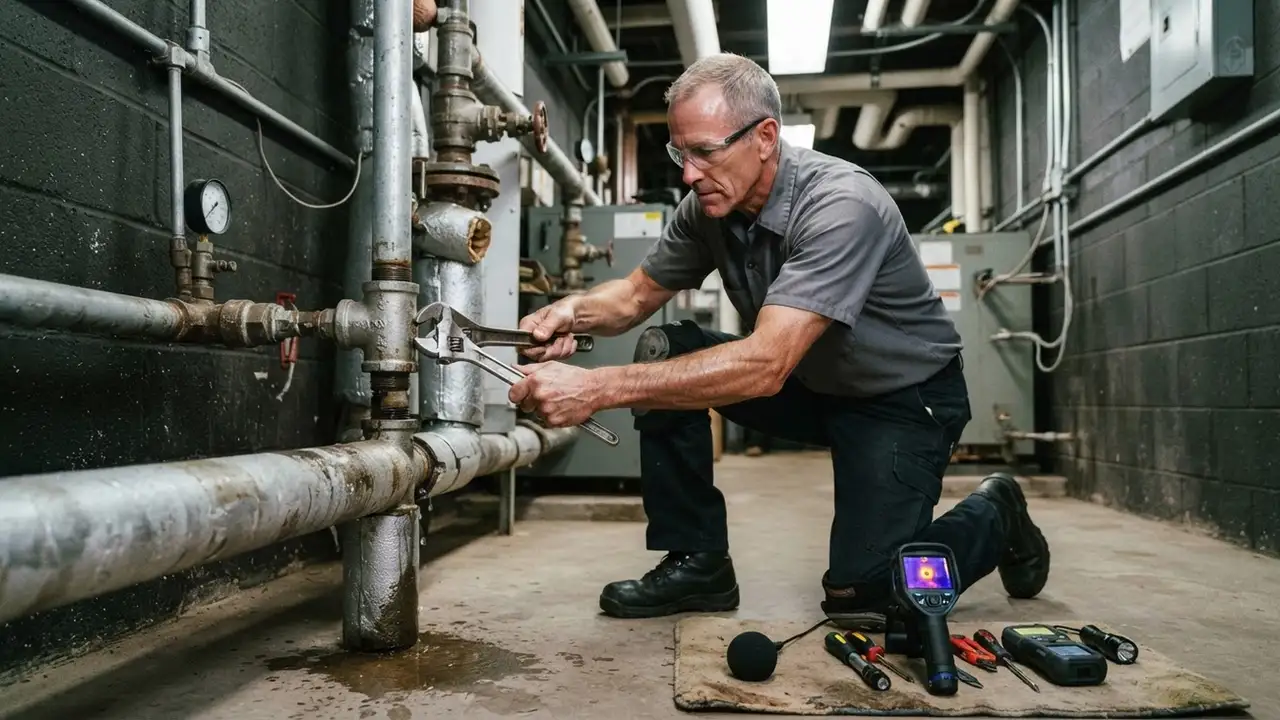
If your toilet leak traces back to the main supply, we locate and repair the water line before it undermines the slab. We use pressure testing gauges and pipe locators to find the break, then repair with PEX or copper to NC code.
View service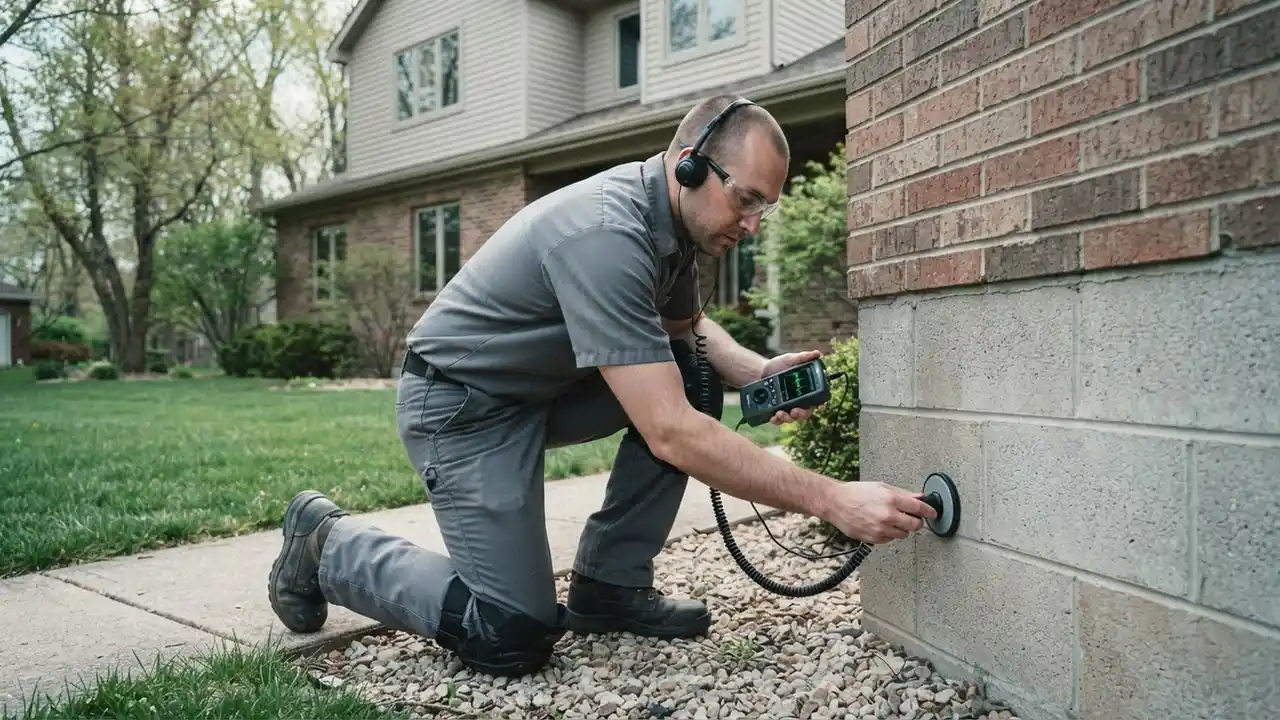
A running toilet is one of the top causes of a high water bill in Greenville. When your bill spikes and the toilet checks out clean, we run a full-property leak survey to find the real source, from irrigation lines to slab leaks.
View service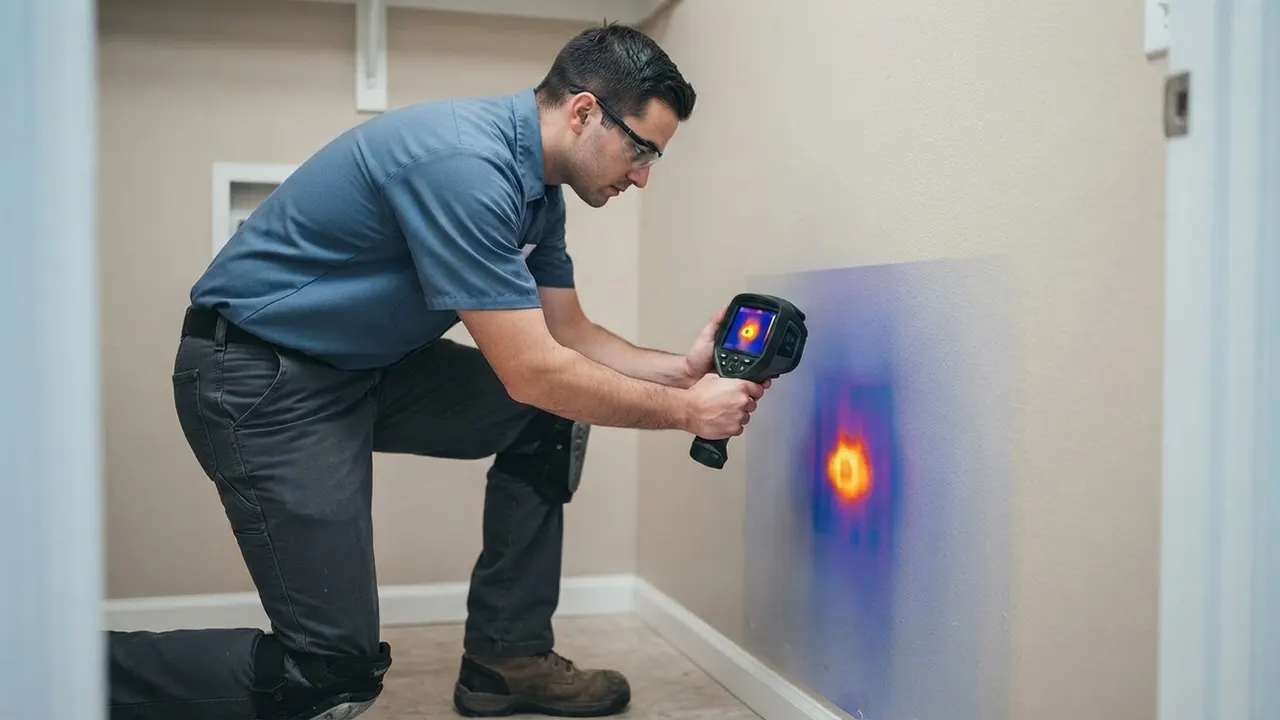
Water pooling near a bathroom can come from under the slab, not the toilet. We use acoustic microphones and thermal imaging to confirm a slab leak, then repair the line with minimal concrete cutting and restore the floor.
View serviceRestaurants, offices, and rental properties in Greenville rely on us for fast toilet and fixture leak repair that keeps restrooms open. We work after hours to avoid disrupting business and document every repair for property managers.
View service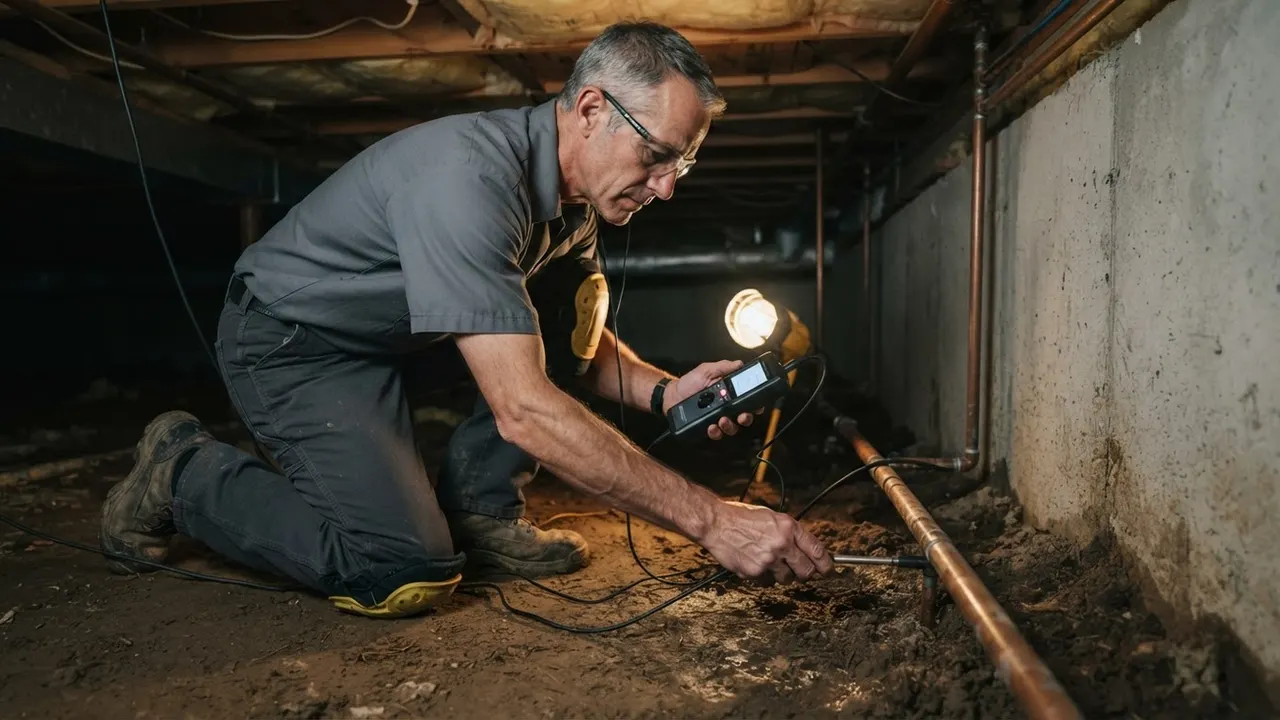
Call +923139383014 and tell us what you are seeing. Our office is open 8 a.m. to 6 p.m. Monday through Friday, and our emergency line runs 24/7 for burst pipes and active flooding. Most Greenville calls get a technician within 60 to 90 minutes. You can also email [email protected] with photos of the leak.