Focused arrival windows
Useful updates and clear arrival timing.
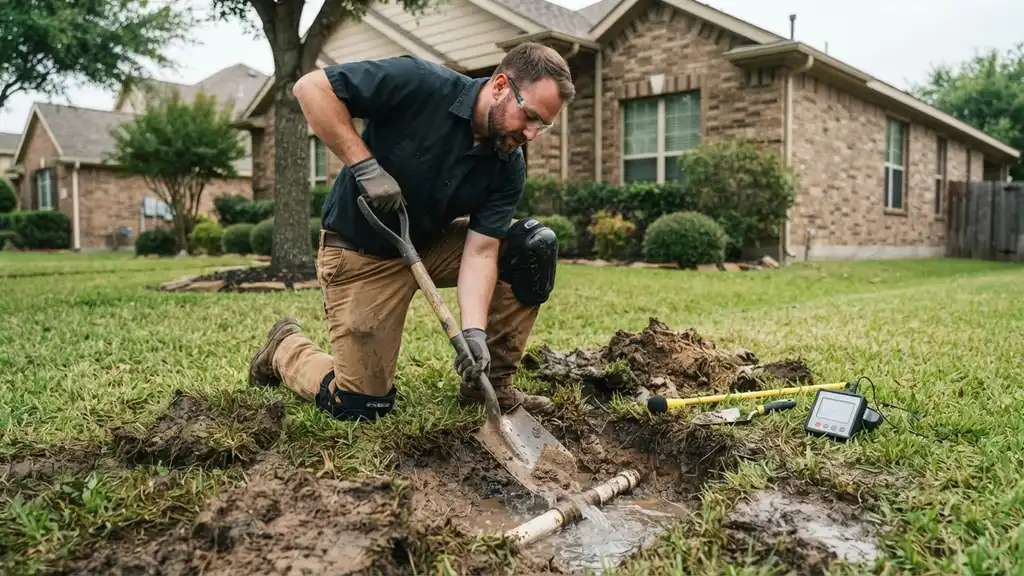
Crawlspace Leak Detection in Greenville is the fastest way to find water hiding under your floor before it rots joists, insulation, and ductwork. We use acoustic microphones and thermal imaging to pinpoint crawl space water leak repair in Greenville NC without tearing up your floors. If your water bill jumped or your floors feel soft, call us today.
Useful updates and clear arrival timing.
Review the approach and price before deciding.
Equipped vehicles and respectful cleanup.
Neighbors serving neighbors with follow-through.
Every Crawlspace Leak Detection in Greenville visit covers the full diagnostic and the repair when we find the problem. We do not charge extra for thermal imaging or pressure testing. Here is what is included in the standard service, plus what we can add if your crawlspace needs more work.
We inspect the vapor barrier, insulation, joists, and ductwork for moisture damage. A moisture meter reading is recorded at three points so you have a baseline. This takes 15 to 20 minutes on a typical Greenville home.
Acoustic leak detection microphones and a thermal imaging camera pinpoint the leak to within a few inches. We pressurize the system to 60 PSI and watch the gauge for drop. No guesswork, no exploratory demolition.
Once located, we repair the PEX, copper, or CPVC line with code-correct fittings and pipe sealant. Every repair is pressure-tested at 60 PSI for 15 minutes. You get before-and-after photos for your records.
We leave you with a written summary showing the leak location, repair method, and subfloor moisture readings. If wood reads above 20 percent, we outline a dry-out plan. This report is useful if you file an insurance claim.
A torn or missing vapor barrier lets ground moisture rot your subfloor. We inspect the barrier and note any sections that need replacement. Barrier repair is available as an add-on if needed.
Every crawlspace leak repair we complete carries a 5-year workmanship warranty. If the same fitting leaks again, we come back and fix it at no charge. That warranty is transferable if you sell the home.
Share what is happening and receive a clear next step from the local team.
Crawlspace Leak Detection in Greenville is a non-invasive inspection that pinpoints water leaks under your floor using acoustic listening gear, thermal imaging cameras, and pressure testing. We crawl the space, map every supply and drain line, then isolate the leak to within a few inches before any repair starts. Most homes here have PEX or copper lines running through damp soil, and a pinhole leak can soak a 10-foot section of subfloor in under a week.
Greenville sits in Pitt County where humid summers and heavy spring rain keep crawlspaces wet from April through October. That moisture hides behind vapor barriers and insulation, so most homeowners only notice when the high water bill arrives or a ceiling water stain appears. We handle crawlspace leak repair in Greenville North Carolina for older mill houses near the Tar River and newer builds off Fire Tower Road alike. A $40 drip can waste 3,000 gallons a month before you see a drop.
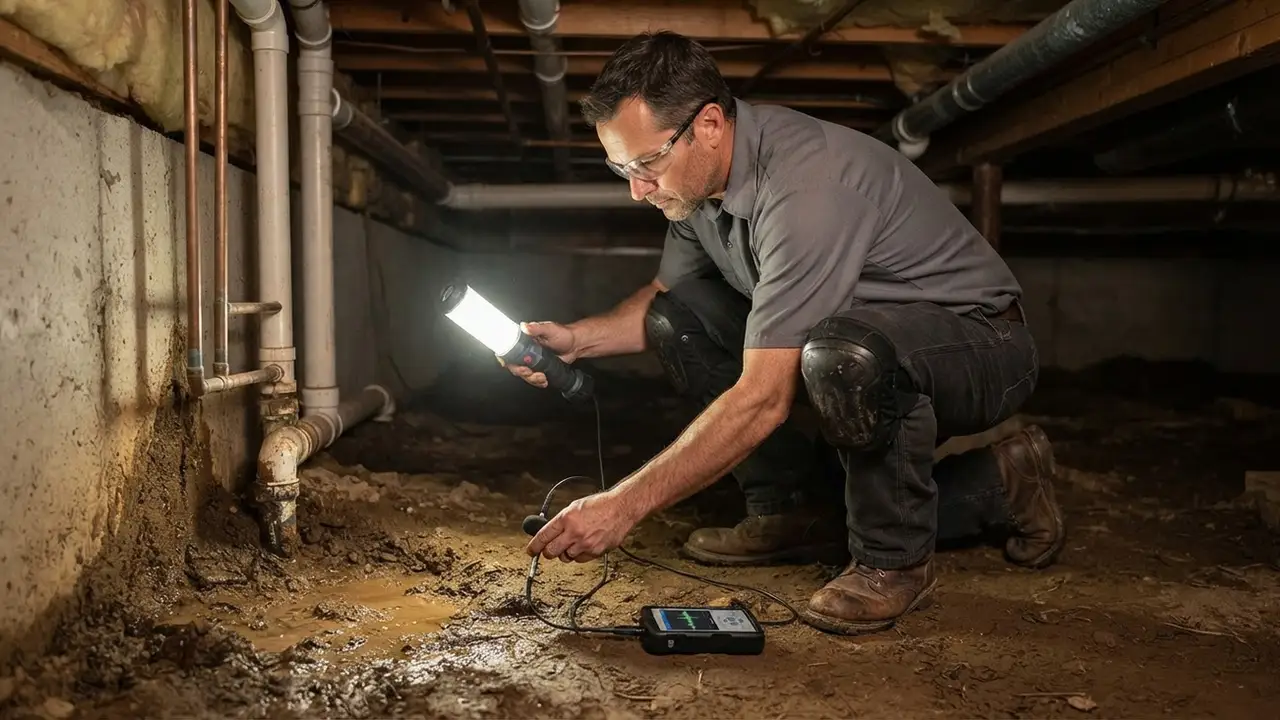
You call or text, and we ask three questions: water bill amount, floor softness, and any visible moisture. That tells us whether to bring acoustic gear or start with pressure testing. We schedule a same-day or next-morning visit across Greenville and Pitt County.
Our technician suits up, checks for standing water and live wiring, then lays down a clean path. We inspect the vapor barrier, insulation, and ductwork for signs of long-term moisture. This takes 15 to 20 minutes on a typical 1,200-square-foot crawlspace.
We pressurize the system to 60 PSI and listen with an acoustic leak detection microphone. A thermal imaging camera confirms temperature differences at suspect joints. When the signal is weak, we inject tracer gas and use an ultrasonic leak detector to isolate the exact fitting.
Once located, we repair the PEX, copper, or CPVC line with code-correct fittings and pipe sealant. We re-pressurize to 60 PSI and hold for 15 minutes to confirm zero drop. You get photos of the repair before we close up the access panel.
We set a moisture meter reading on the subfloor and leave a written summary with before-and-after numbers. If the wood reads above 20 percent, we recommend a dry-out plan. Most customers are back to normal within 24 hours of the repair.
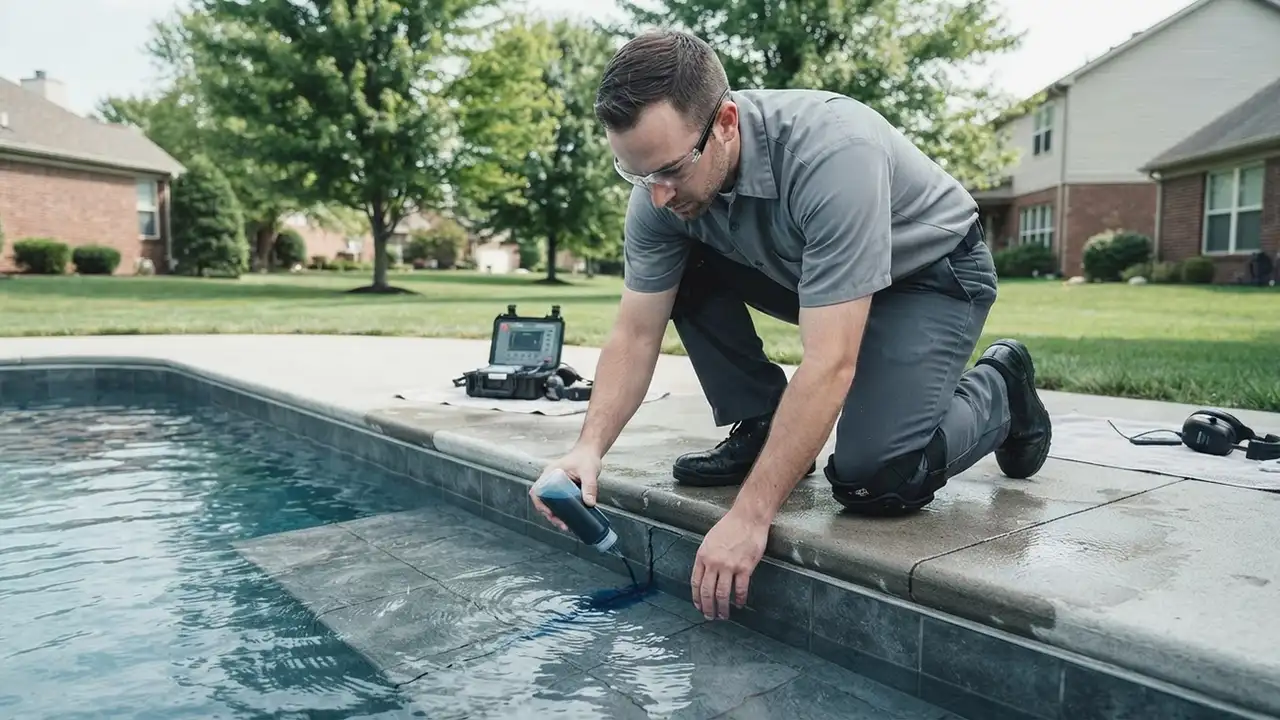
Listens for the high-frequency hiss of pressurized water escaping a pipe. We use it to narrow the leak to a 6-inch section before we open anything up.
Shows temperature differences on the subfloor and joists. Wet areas read cooler, so we can see the leak path without tearing into the wood.
We pressurize the system to 60 PSI and watch for drop. A falling gauge confirms a supply leak; a steady gauge points to a drain or groundwater issue.
Slides inside drain lines to show cracks, root intrusion, or separated joints. We use it when the leak is on the drain side, not the supply side.
Injects a safe gas mix into the line and sniffs it out at the surface. It finds leaks that acoustic gear misses, especially in noisy crawlspaces.
Reads the water content in wood and insulation. We record before-and-after numbers so you can see the crawlspace is drying properly.
Maps buried lines under the crawlspace floor. It tells us where to listen and keeps us from digging in the wrong spot.
We isolate the supply system from the drain system and pressurize each separately. Supply leaks show up as gauge drop; drain leaks show up with dye and camera inspection. This method cuts diagnostic time in half on most Greenville homes.
We walk the entire crawlspace with a thermal camera and mark every cool spot on the subfloor. Those marks become our search grid. It is faster and cleaner than poking around in insulation.
Once we have a suspect area, we place the acoustic microphone against the pipe and listen. A live leak produces a distinct signal. We confirm before we cut or repair anything.
We repair with PEX, copper, or CPVC using the right fittings, Teflon tape, and pipe sealant for the material. Every joint is pressure-tested at 60 PSI for 15 minutes before we close up.
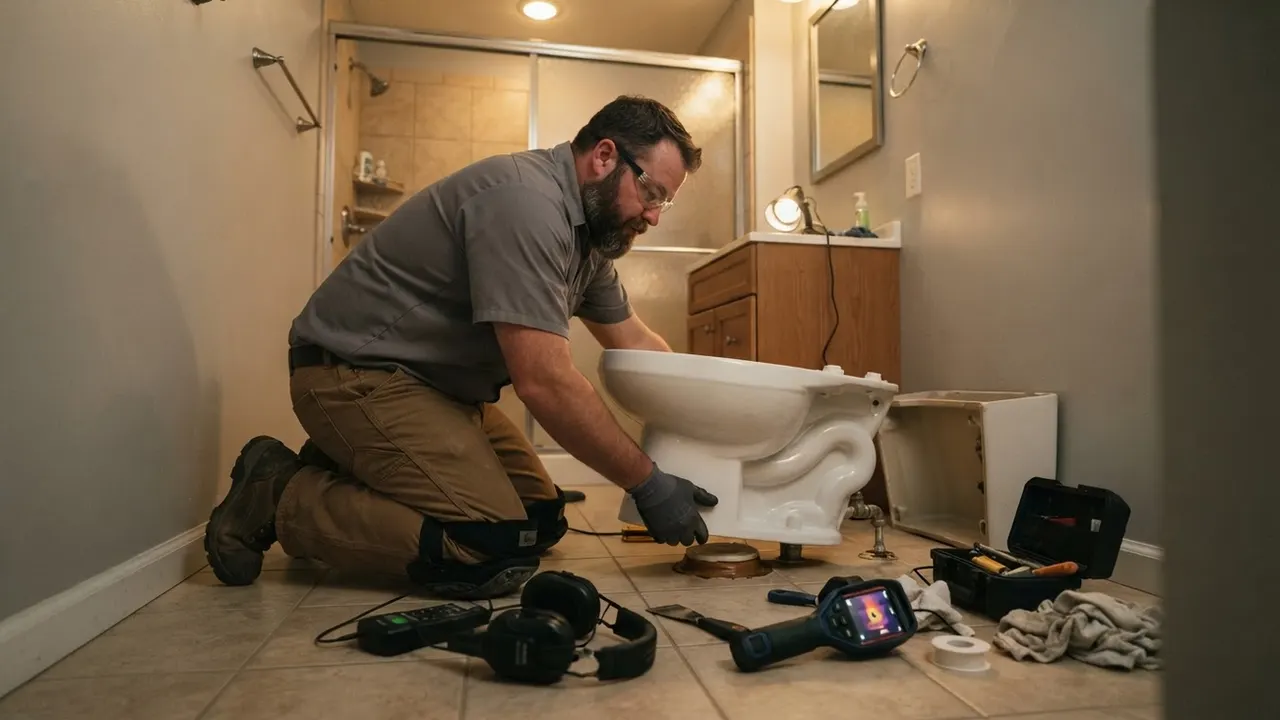
We compare your meter reading against fixture use, then pressure-test the crawlspace lines. Acoustic gear finds the leak in under an hour. We repair the line and re-test before we leave. Your next bill drops back to normal, usually within one billing cycle. You also get a written report for your records.
We run a full crawlspace leak detection with thermal imaging and pressure testing. You get a written report showing whether the moisture is from a plumbing leak, groundwater, or condensation. That report helps you negotiate the repair cost. You know exactly what you are buying. If there is a leak, we can repair it before closing so you move into a dry home.
We shut off the main, crawl in, and repair the split with copper or PEX. The line is pressure-tested at 60 PSI before we restore water. Our 24/7 team averages 90 minutes to arrival for active flooding. Water is back on the same day in most cases. We dry the affected insulation and leave moisture readings so you know the crawlspace is stable.
We inspect the crawlspace, find the leaking drain or supply line, and repair it. A moisture meter reading tells us whether the subfloor needs drying. We check the vapor barrier while we are down there. The musty smell goes away once the moisture source is gone. Soft spots stop spreading, and you avoid a subfloor replacement.
Greenville's climate drives crawlspace leaks in ways that surprise homeowners from drier parts of North Carolina. Summers push humidity above 80 percent, and that moisture condenses on cold copper lines running through the crawlspace. Add heavy spring rain, and the soil under Pitt County homes stays saturated from March through October. Older mill houses near the Tar River often have original copper plumbing that develops pinhole leaks after 40 years. Newer builds off Fire Tower Road use PEX, which fails at the fittings more often than the pipe itself. We handle affordable crawlspace leak detection Greenville North Carolina for both. Our trucks carry the fittings and tools to repair either material on the spot. If you need under house water leak detection in Greenville after a storm or a high water bill, we can usually be under your floor the same day. We also work with real estate agents and property managers across Pitt County who need a fast answer before closing.
Historic homes here often have original copper lines and tight crawlspaces. We bring smaller acoustic gear to fit between joists.
Newer construction with PEX plumbing. Leaks cluster at fittings and manifolds rather than in the pipe itself.
Mix of commercial and residential. We schedule after-hours crawlspace work so businesses stay open.
More rural lots with longer service lines. Underground leaks often surface inside the crawlspace first.
Condensation on cold water lines mimics a leak. We use thermal imaging to tell the difference between condensation and a real pipe failure.
Groundwater pushes against foundations and can enter the crawlspace. We pressure-test to rule out plumbing before recommending drainage work.
Pinhole leaks are common after 40 years. We stock copper couplings and repair sleeves on every truck.
Pipes in unheated crawlspaces can freeze and burst. Our 24/7 team handles emergency burst pipe repair across Pitt County.
A homeowner in Winterville saw a $210 water bill and could not find the source. The crawlspace had standing water near the vapor barrier, and the subfloor read 28 percent moisture. The copper line had a pinhole leak that had been running for weeks.
We repaired the copper line with a coupling and pressure-tested at 60 PSI for 15 minutes. Subfloor moisture dropped to 14 percent within three days. The next water bill came in at $48, back to normal.
Maintenance: We recommended annual crawlspace moisture checks each spring. Keeping the vapor barrier intact prevents condensation from masking future leaks.
A family near Fire Tower Road noticed soft spots in the hallway floor. The crawlspace showed a failed PEX fitting spraying a fine mist onto the joists. Insulation was soaked, and mold had started on the rim board.
We replaced the fitting, dried the insulation, and treated the mold area. Moisture readings went from 31 percent to 12 percent in four days. No floorboards were cut, and the family stayed in the home the whole time.
Maintenance: We suggested a dehumidifier set to 50 percent relative humidity during summer months. That keeps PEX fittings dry and extends their life.
A January freeze split a copper line in an Ayden crawlspace. Water was spraying against the foundation, and the homeowner shut off the main at 6 a.m. The crawlspace had two inches of standing water.
Our emergency team arrived in 80 minutes, repaired the split with a copper sleeve, and pressure-tested the line. We pumped out the standing water and left a moisture meter reading of 16 percent. Water was back on by noon.
Maintenance: We advised insulating all exposed crawlspace pipes before the next freeze. A $30 pipe wrap prevents a $600 emergency repair.
Most crawlspace leaks hide for weeks before you notice. By then, the damage has already started. Here are the four problems we fix most often for Greenville homeowners, and what happens if you wait.
A hidden crawlspace leak can waste 4,000 gallons a month and add $80 to $150 to your utility bill. Left alone, it also saturates the soil under your footings. We pressure-test the system, listen with acoustic gear, and isolate the leak to a single fitting. Most repairs are completed the same visit for $180 to $450. Your next bill tells the story.
Soft floors mean the subfloor has absorbed water for weeks. Ignoring it leads to joist rot and a $6,000 subfloor replacement. Mold can also spread into living areas. We trace the moisture back to the source line, repair the leak, and record subfloor moisture readings. If wood reads above 20 percent, we recommend a dry-out plan to stop rot from spreading.
A musty odor means mold is growing in the crawlspace insulation. It circulates through your HVAC and into every room. Allergy symptoms and respiratory issues often follow. We find the leak feeding the mold, repair the line, and check the vapor barrier. Removing the water source stops mold growth at the root. We also note any insulation that needs replacement.
Damp wood attracts termites within weeks. A colony can compromise floor joists and rim boards, leading to structural repairs that cost $8,000 or more. We eliminate the moisture source with crawl space water leak repair Greenville NC service, then pressure-test to confirm the fix. Dry wood stops attracting pests. We document the repair for your pest control company.
Greenville Leak Detection Pros has been in business since 2015, and we have crawled under more than 3,000 homes across Pitt County. Our technicians hold state-licensed plumbing contractor credentials and OSHA safety certification for confined-space work. We train on RIDGID, Fluke, and Sewerin equipment every year, and we carry IAPMO certification for pipe repair methods. That means the person under your floor knows how to read a pressure testing gauge, when to switch from acoustic to tracer gas, and how to repair a line so it passes inspection the first time.
Most crawlspace leak detection jobs in Greenville NC run $150 to $350 for the inspection alone. If we find and repair the leak the same visit, total cost lands between $180 and $450 depending on line material and how tight the access is. We quote both numbers before we start, so there is no surprise on the invoice.
The top three causes we see in Greenville are pinhole leaks in copper pipe, failed PEX fittings, and condensation dripping from uninsulated ductwork. High humidity from April through October speeds up corrosion. We also find irrigation line leaks and water heater leaks that drain into the crawlspace from above. Pressure testing separates supply leaks from drain leaks in about 20 minutes.
Yes. We locate the leak from inside the crawlspace using thermal imaging and acoustic gear, then repair the line from below. You do not lose a single floorboard or tile. On a typical Greenville home, the whole job takes two to four hours and you are walking on your floors the same day.
Greenville Leak Detection Pros fixes crawl space water leaks across Pitt County, including Winterville, Ayden, Farmville, Washington, and Kinston. We are state-licensed, insured, and we carry repair parts on every truck. Call us and we will tell you on the phone whether it sounds like a supply leak, a drain leak, or groundwater.
Not seeing your question? Our local team can help you understand urgency, scheduling and what to expect.
Ask the local team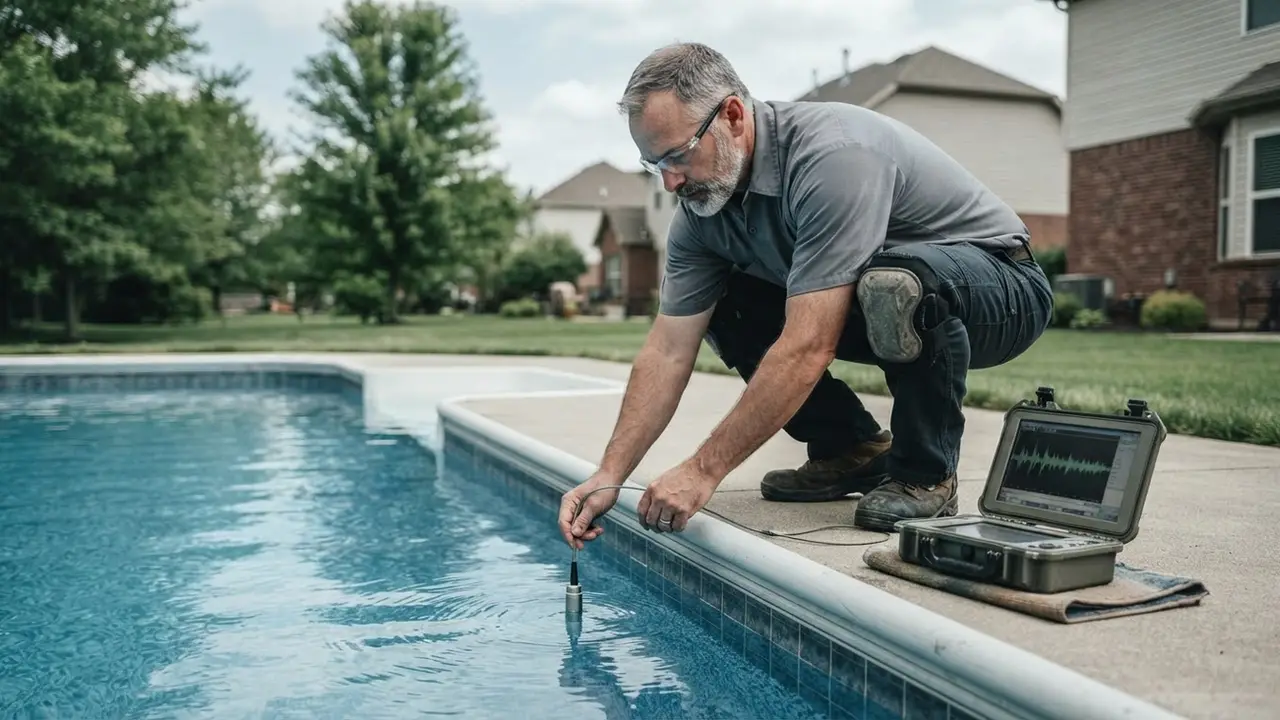
The main water line enters your home near the crawlspace. When it leaks underground, water migrates under the foundation. We trace the line with a pipe locator and repair it before it undermines your footings.
View service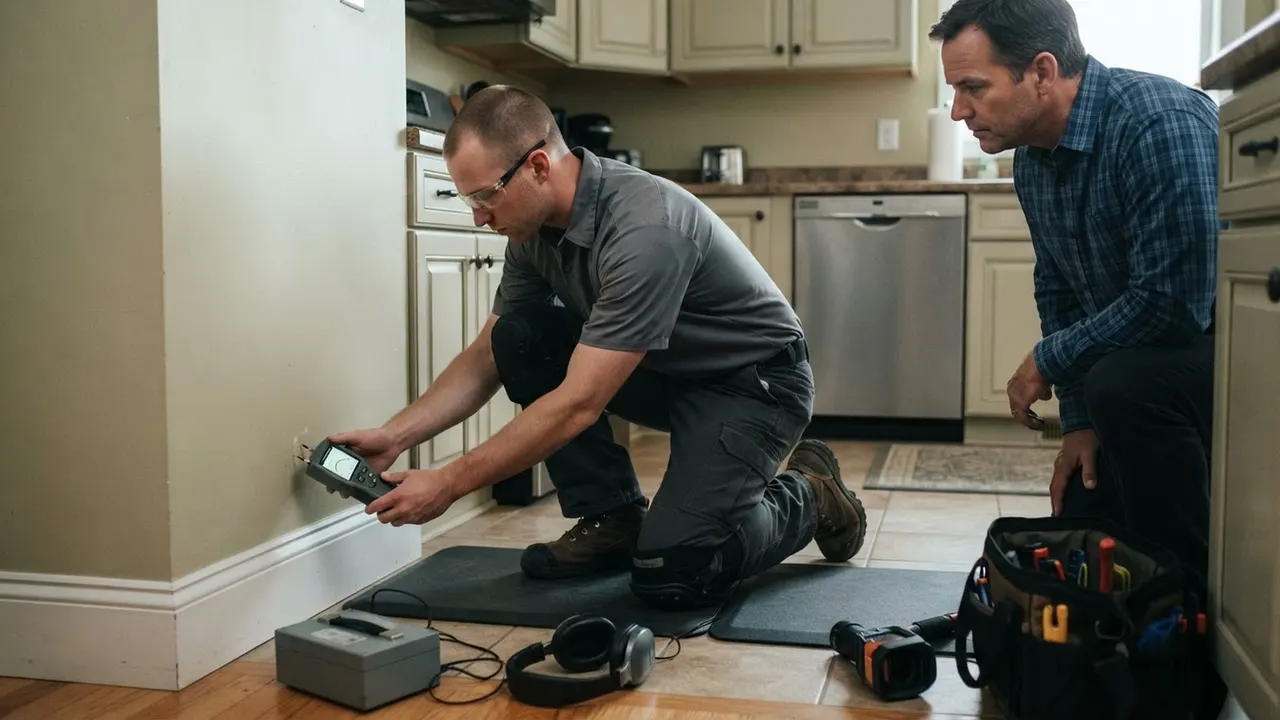
A $180 water bill usually means a hidden leak. We compare meter readings against fixture use, then narrow it down to the crawlspace, irrigation, or slab. Most high-bill calls in Greenville trace back to a crawlspace line.
View service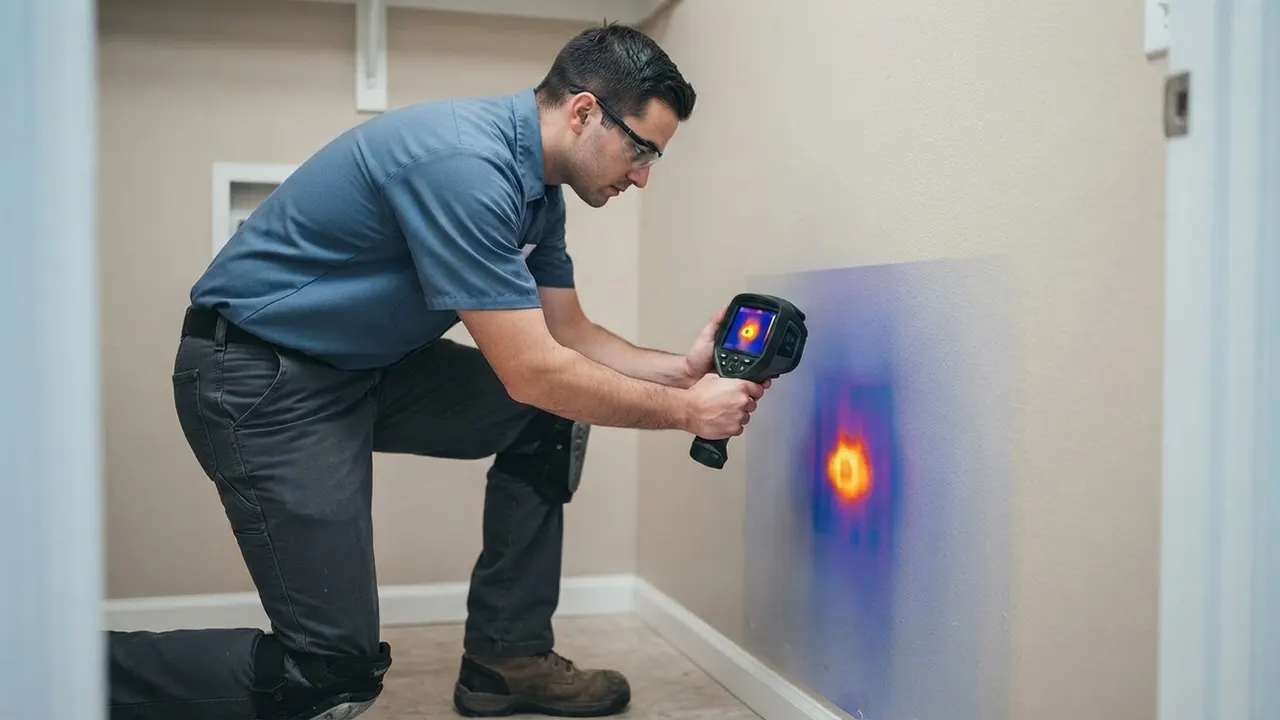
Slab leaks and crawlspace leaks look identical on a water bill. We pressure-test both zones to tell them apart. If the leak is under the slab, we route around it; if it is in the crawlspace, we fix it directly.
View service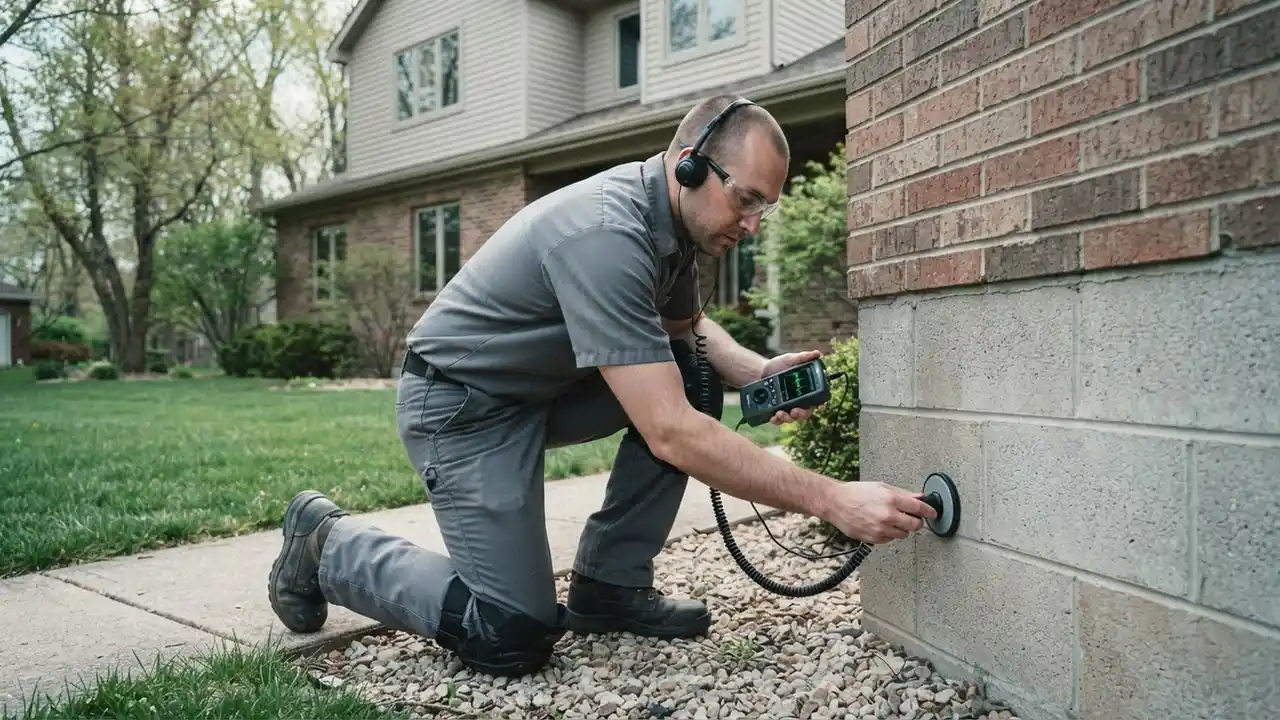
Restaurants and retail buildings in Greenville often have crawlspaces packed with plumbing. We work after hours so your business stays open. Acoustic gear finds the leak without shutting down your water supply.
View service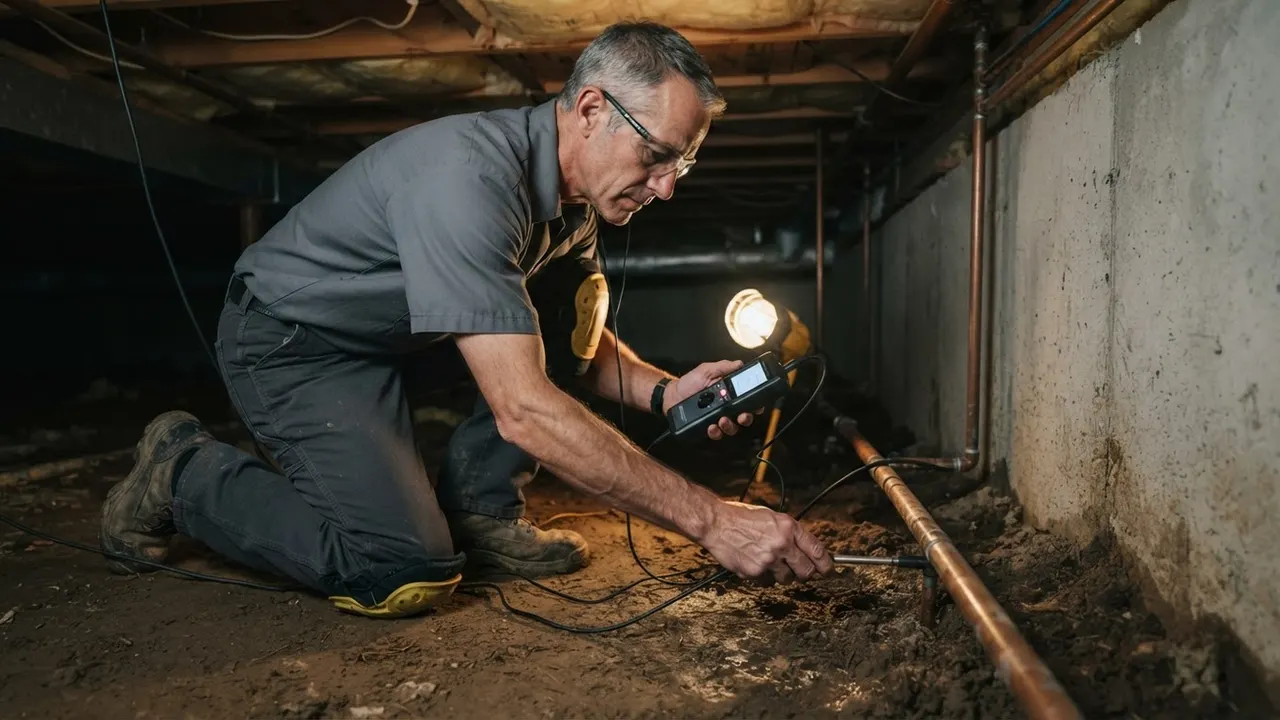
Call +923139383014 and tell us what you are seeing. Our office is open 8 a.m. to 6 p.m. Monday through Friday, and our emergency line runs 24/7 for burst pipes and active flooding. Most Greenville calls get a technician within 60 to 90 minutes. You can also email [email protected] with photos of the leak.