Focused arrival windows
Useful updates and clear arrival timing.
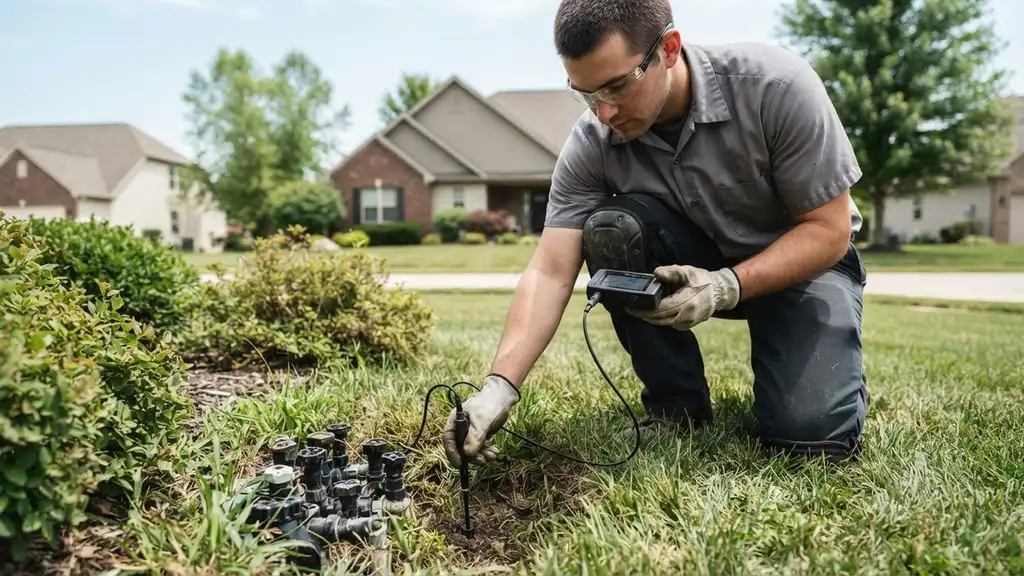
When you need pipe leak repair Greenville NC homeowners trust, we find the source fast and fix it right. Our licensed team handles everything from slab leaks to burst pipes, using pipe leak detection Greenville NC equipment to pinpoint the problem without tearing up your whole yard. We show up on time, explain the fix, and leave your home dry.
Useful updates and clear arrival timing.
Review the approach and price before deciding.
Equipped vehicles and respectful cleanup.
Neighbors serving neighbors with follow-through.
Every pipe leak repair Greenville NC job includes a full leak location, the repair itself, and a pressure test before we leave. We quote the whole job upfront, so you know what you are paying for. If we find a second issue while we are in there, we show you and quote it separately before doing any extra work.
We use acoustic listening, thermal imaging, and moisture meters to find the exact leak point. This is included in every repair, not billed as a separate diagnostic. You get a marked location and a clear explanation before we cut anything.
We cut out the damaged section and install new copper, PEX, or CPVC pipe with code-correct fittings. We use RectorSeal pipe sealant and Teflon tape on threaded joints. The repair is sized to match the existing line for full flow.
After the repair, we pressurize the line to 80 PSI and hold it for 15 minutes. If it drops, we redo the joint. This test catches small leaks that would otherwise show up as a stain weeks later.
We haul off old pipe and debris, backfill trenches, and wipe down work areas. If we opened drywall, we leave it ready for patching. You do not have to clean up after us.
You get a short report of what we found, what we repaired, and any follow-up we recommend. It includes the pressure test result and photos of the repair. This is handy for insurance claims or future reference.
Share what is happening and receive a clear next step from the local team.
Pipe leak repair Greenville NC is the process of locating a hidden or visible water leak in your plumbing system, exposing the damaged section, and restoring it so the line holds pressure again. That might mean cutting out a corroded copper section and soldering in a new piece, or repairing a PEX line with a coupling. We pressure-test every repair before we close the wall or backfill the trench, so you know it is fixed, not just patched.
Greenville sits on a mix of older homes with original copper and newer builds with PEX piping, and both fail differently. Freezes in January crack lines, and summer irrigation cycles stress underground water lines. If your water bill jumped $40 last month and nothing changed, you probably have a leak. We handle pipe leak repair in Greenville North Carolina for homeowners, landlords, and small commercial properties across Pitt County.
You call us and describe what you see: a wet spot, a high bill, or water running when nothing is on. We ask a few questions to narrow it down and schedule a visit, often same-day. If it is an emergency pipe leak repair Greenville NC situation, we prioritize you.
Our technician arrives with an acoustic leak detection microphone, thermal imaging camera, and moisture meter. We scan the suspect area, mark the leak, and confirm it with a pressure testing gauge. This usually takes 30 to 60 minutes and saves hours of exploratory digging.
We show you what we found and explain the repair in plain terms. You get a flat price before we start. If it is a simple fitting, we can often repair it on the spot. If it is a slab leak, we schedule the access and repair.
We cut out the damaged section and install new copper, PEX, or CPVC pipe with proper fittings. For underground lines, we excavate only where the locator marked. Most repairs take 2 to 4 hours, and we protect your floors and landscaping while we work.
We pressure-test the line at 80 PSI for 15 minutes, then restore water and check for drips. We haul off debris, backfill the trench, and leave the area as clean as we found it. You get a written summary of the repair and any follow-up we recommend.
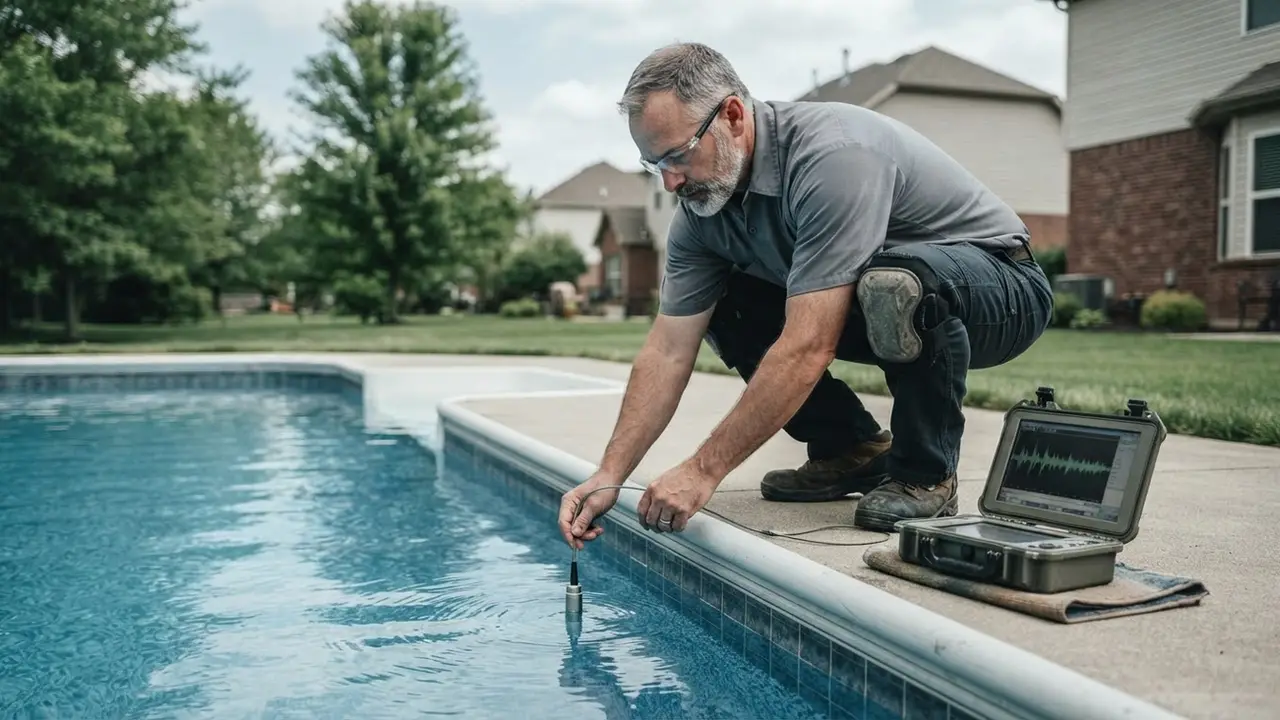
Listens for the sound of water escaping a pipe under pressure. We use it on slab leaks, underground lines, and walls to pinpoint the leak within inches.
Shows temperature differences caused by leaking hot water lines. It helps us find slab leaks and wall leaks without opening the whole surface.
Combines acoustic and electromagnetic sensors to trace leaks in metal and plastic pipe. We use it when the leak is deep or the pipe material varies.
Traces the path of underground water and sewer lines. It tells us exactly where to dig, so we excavate one small area instead of a trench.
Pressurizes the repaired line to 80 PSI and holds it for 15 minutes. If the gauge drops, the joint is not sealed and we redo it.
Looks inside drain and water lines to find cracks, root intrusion, and joint separation. We use it when the leak is not obvious from outside.
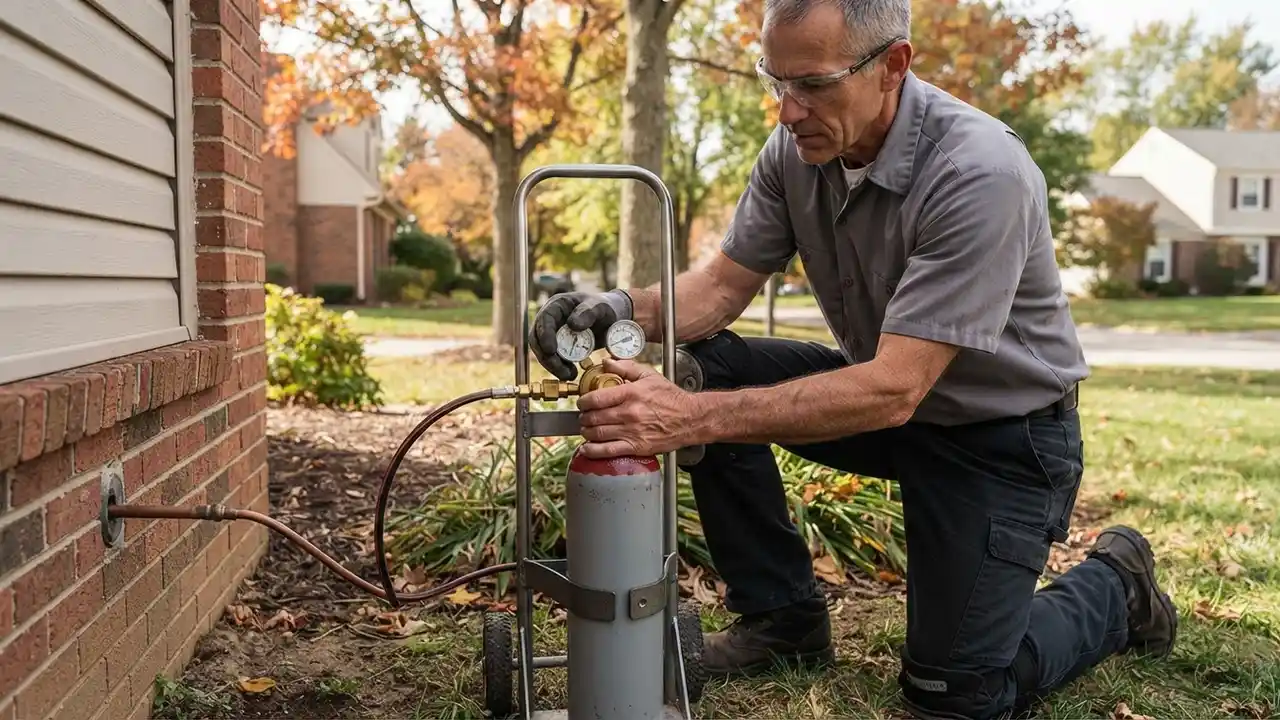
Introduces a safe gas into the line and detects where it escapes. It is ideal for hard-to-find leaks in underground or under-slab piping.
We isolate sections of your plumbing and pressurize each one separately. The section that loses pressure holds the leak. This narrows the search to a few feet of pipe before we use acoustic or thermal gear.
Water escaping a pressurized pipe makes a distinct sound. We place the microphone on the floor or wall and listen for the loudest point. This method works on copper, PEX, and PVC lines and is accurate to within a few inches.
A leaking hot water line warms the surrounding material. The thermal camera shows that pattern on the screen. We use it on slab leaks and wall leaks where acoustic signals are muffled.
We fill the suspect line with a harmless gas and use a detector to find where it escapes. This is the go-to method for underground lines and under-slab piping where other tools struggle.
We cut out only the damaged pipe and install new material with code-correct fittings. Then we pressure-test at 80 PSI. This method keeps your repair cost down and avoids replacing pipe that is still good.
We start with a meter test and isolate each zone. Then we use acoustic gear to listen for the leak on the main line and under the slab. Once located, we repair the pipe and re-test the meter to confirm it stopped. Your next bill drops back to normal, and you avoid a slab leak turning into a foundation repair.
We shut off the main, open the wall at the leak point, and cut out the split copper. We splice in new pipe, solder the joints, and pressure-test at 80 PSI. We also insulate the repaired section to reduce future freeze risk. Water stops running, the wall dries out, and you have a repaired line that holds pressure.
We inspect the crawlspace with a moisture meter and trace the leak to a cracked CPVC or copper line. We repair the pipe, then check for drainage issues that could cause future problems. We also recommend a dehumidifier if needed. The crawlspace dries out, the smell goes away, and your floor joists stop absorbing moisture.
We locate the leak with thermal imaging, repair the line with minimal concrete removal, and provide a written report with pressure test results. The report is ready for your realtor and the buyer. The sale moves forward, and the buyer has proof the leak was fixed by a licensed plumber.
Greenville's plumbing takes a beating from both sides. Summers push irrigation lines and slab pipes hard, and winters drop below freezing often enough to crack exposed copper in crawlspaces and garages. Older homes near downtown and along the Tar River still have original copper that is prone to pinhole leaks, while newer subdivisions off Fire Tower Road use PEX that can fail at fittings. We adjust our approach to the house. For a 1920s mill home, we expect galvanized or copper and plan for more sectional repairs. For a 2015 build, we check PEX crimp rings and manifolds first. If you search for water pipe leak detection in Greenville, you want a team that knows these patterns. We also follow NC plumbing code on every repair, including proper support spacing and backflow protection where required. That is why our pipe leak repair in Greenville NC work passes inspection the first time.
Older homes with original copper and galvanized lines. Pinhole leaks and joint failures are common, so we plan for sectional repairs and check the whole run.
Newer construction with PEX piping. Leaks usually show up at crimp rings, manifolds, or where lines pass through slabs. We carry PEX-specific repair fittings.
A mix of older and newer homes on well and city water. We see irrigation line breaks and main line leaks from soil movement. We locate before we dig.
Smaller lots with mature trees. Root intrusion into water and sewer lines is common. We use video inspection to confirm before repairing.
Exposed pipes in crawlspaces, garages, and attics can split. We see a spike in burst pipe calls from December through February. We repair the split and insulate the line to reduce repeat risk.
Pitt County clay shifts with moisture and can shear underground water lines. We use pipe locators and tracer gas to find the break, then excavate only the marked spot.
Copper thins over decades and develops pinhole leaks. We repair the section and inspect nearby pipe for the same pattern, so you are not calling us back in a month.
Sprinkler lines run daily from May to September and stress fittings. We isolate zones, find the break, and repair the line or head. This often shows up as a high water bill.
A homeowner in Winterville noticed a warm spot on the floor and a $210 water bill. Two other companies quoted a full repipe. The slab was dry on top but the line underneath was leaking.
We used thermal imaging to mark the leak within 6 inches. We cut one 2-foot square in the slab, repaired the copper line, and pressure-tested at 80 PSI. The bill dropped to $68 the next month.
Maintenance: We recommended running a dehumidifier in the crawlspace and checking the water meter monthly. If the dial spins with everything off, call us.
A pipe in a garage wall split at 2 AM and water was running into the laundry room. The homeowner shut off the main but did not know where the break was.
We arrived by 4 AM, opened the wall, and found a 4-inch split in a copper line. We cut out the section, soldered in new pipe, and had water restored by 6 AM. The repair held at 80 PSI.
Maintenance: We insulated the repaired section and recommended leaving cabinet doors open during hard freezes. A $12 pipe insulation sleeve prevents a repeat.
A landlord in Greenville called about a $190 water bill on a rental. The tenant had not reported anything, but the meter was spinning with no fixtures on.
We found a failed flapper in the hall bathroom toilet and a slow leak at the supply line. We replaced the flapper, supply line, and fill valve. The bill dropped to $52 the following month.
Maintenance: We told the tenant to check the flapper every 6 months with a dye test. A $10 flapper saves $100 a month in wasted water.
Most pipe leaks show up as a high bill, a wet spot, or a sound you cannot place. We handle the whole list, from slab leaks to burst pipes, and fix them before they cause structural damage.
You are paying for water that is soaking into the ground or your foundation. A hidden leak can waste 3,000 gallons a month and lead to mold, rot, and a cracked slab if ignored. We test your main line and every fixture with a pressure gauge and acoustic microphone. Once we find the leak, we repair the pipe and confirm the meter stops spinning. Most hidden leaks are fixed in one visit.
Water is traveling from a pipe behind the wall or under the slab. The stain is just the symptom. If you wait, drywall, insulation, and framing absorb moisture and need replacement. We use a thermal imaging camera and moisture meter to trace the water back to the source. Then we open only the area needed, repair the pipe, and pressure-test it. You avoid tearing out the wrong wall.
A split copper line can dump 10 gallons a minute into your home. That floods floors, ruins furniture, and can cause thousands in damage within an hour. Call our 24/7 line and we will walk you through shutting off the main. We respond fast, cut out the burst section, and splice in new pipe. We also check the rest of the line for weak spots before we leave.
A running toilet wastes up to 200 gallons a day. That is $30 to $50 a month on your bill, and it can stain your bowl and waste well capacity. We replace flappers, fill valves, and supply lines, and repair any pipe behind the wall. Most toilet and faucet leaks are fixed in under two hours. You will hear the difference immediately.
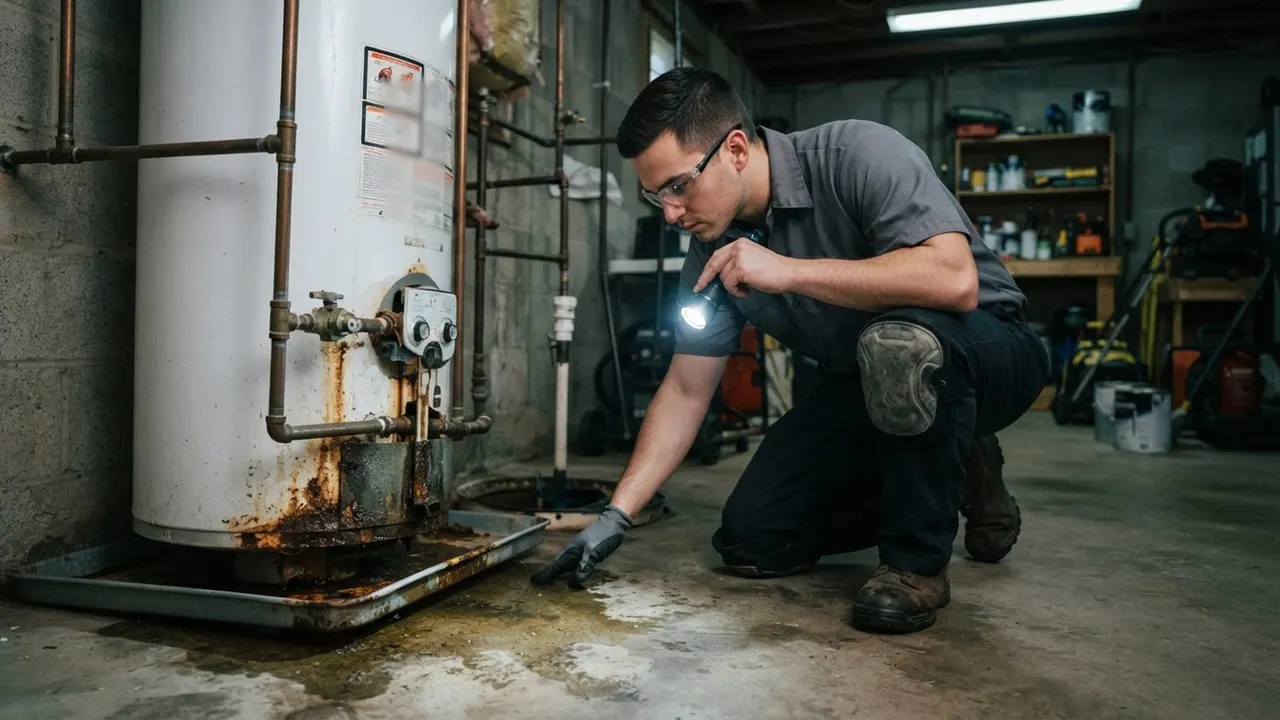
Greenville Leak Detection Pros has been repairing pipes in Pitt County since 2015. Our technicians hold NC plumbing licenses and backflow prevention certification, and we train on new leak detection equipment every year. We have repaired thousands of leaks in everything from 1920s mill houses to new construction off Fire Tower Road. We know how Greenville soil, freeze cycles, and older plumbing behave, and we use that experience to fix your leak right the first time.
Most pipe leak repairs in Greenville run $250 to $850, including detection and the fix. A simple fitting or exposed line repair sits at the low end. Slab leaks or underground water line repairs run higher because of excavation. We give you a flat price before we start, so there are no surprises.
Start by shutting off every fixture and watching your water meter. If the dial still spins, you have a leak. Then check for warm spots on the floor, a musty smell in the crawlspace, or a spike in your water bill. If you cannot pinpoint it, call us. We use acoustic microphones and thermal cameras to find it fast.
Yes, in most cases we cut out only the damaged section and splice in new pipe with couplings. A 6-inch repair is common. If the line is corroded along its whole run, we will tell you and quote a replacement. We do not sell you a full repipe when a sectional repair will hold.
Greenville Leak Detection Pros fixes leaking pipes for homeowners and businesses across Pitt County. We handle copper, PEX, PVC, and CPVC lines, plus slab leaks, crawlspace leaks, and underground water line breaks. Call us and we will schedule a visit, often the same day.
Not seeing your question? Our local team can help you understand urgency, scheduling and what to expect.
Ask the local team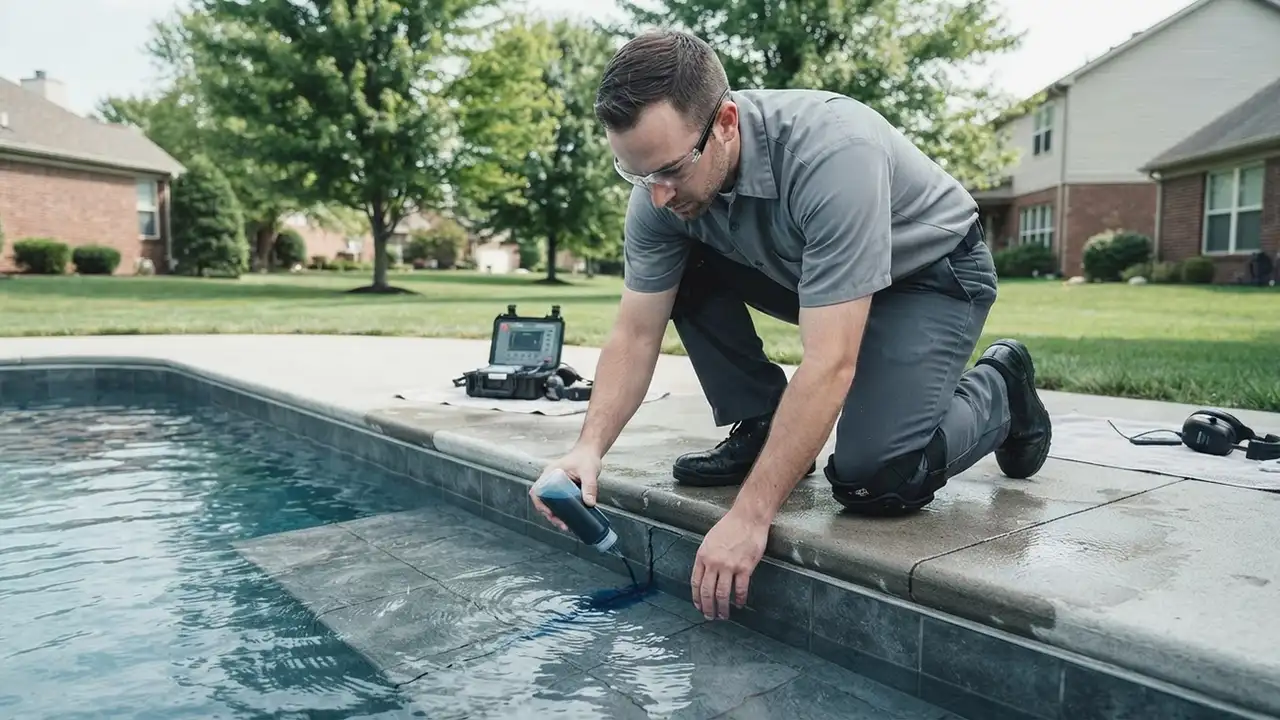
Your main water line is the most common source of a high bill. We locate the break with acoustic gear and repair the line without replacing the whole run. This pairs directly with pipe leak repair Greenville NC when the leak is outside the foundation.
View serviceIf your bill jumped and nothing changed, a hidden leak is the likely cause. We test every fixture and line, then pinpoint the source. This service often leads straight into pipe leak repair once we find the culprit.
View service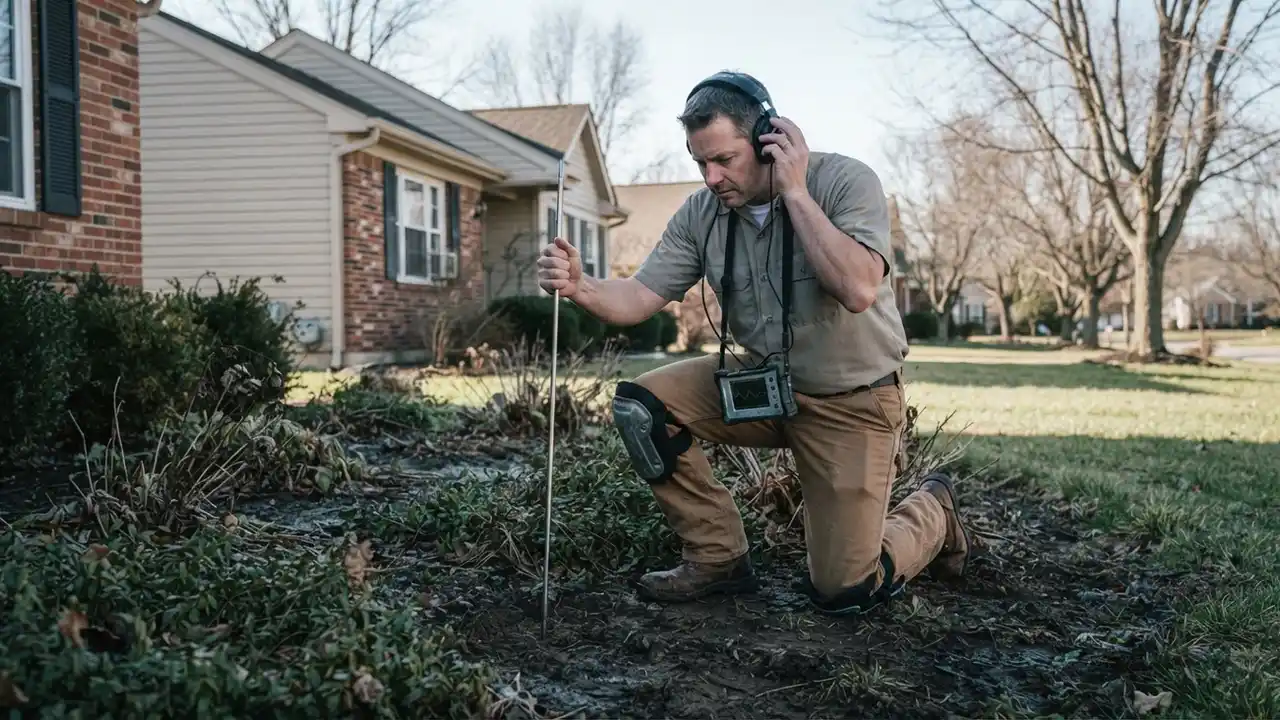
A slab leak means water is running under your foundation. We use thermal imaging and acoustic listening to find it, then repair the line with minimal concrete removal. This is one of the most common pipe leak repair Greenville NC jobs we handle.
View service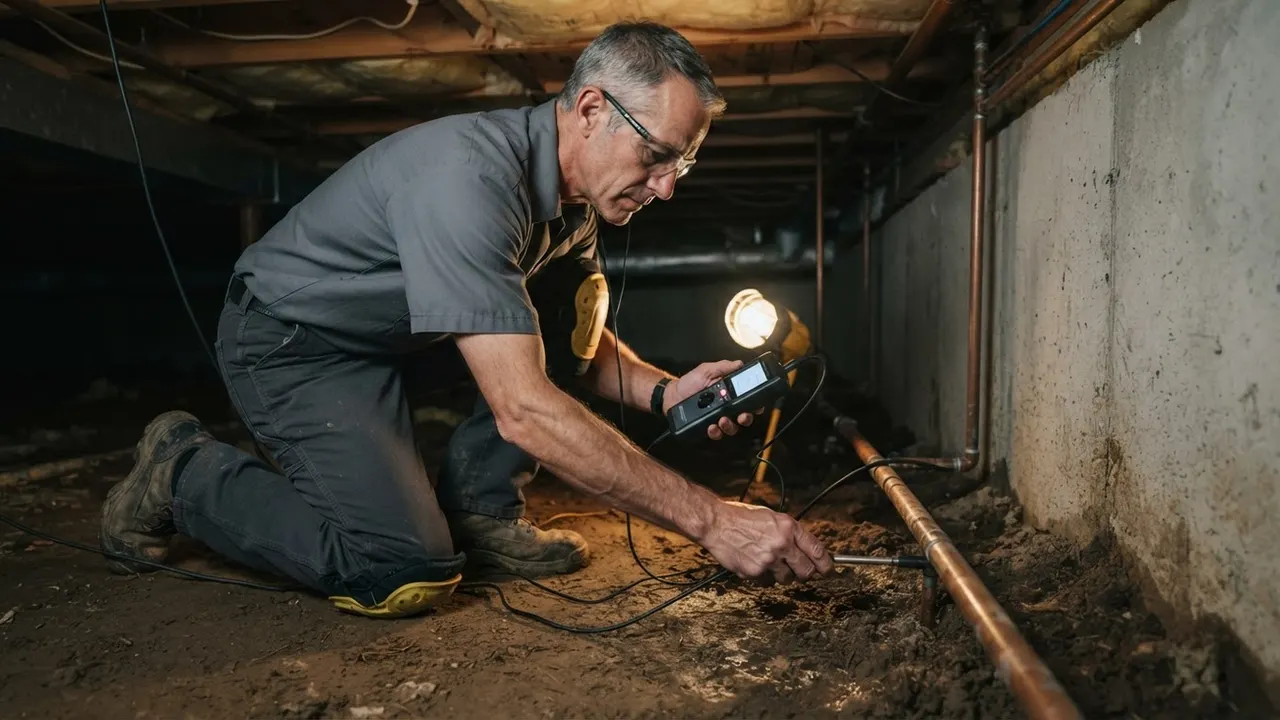
Restaurants, offices, and retail spaces lose money fast when a pipe leaks. We work after hours to avoid disrupting your business, locate the leak, and repair it. We carry commercial-grade fittings and can handle larger-diameter lines.
View serviceCall +923139383014 and tell us what you are seeing. Our office is open 8 a.m. to 6 p.m. Monday through Friday, and our emergency line runs 24/7 for burst pipes and active flooding. Most Greenville calls get a technician within 60 to 90 minutes. You can also email [email protected] with photos of the leak.